The narrator
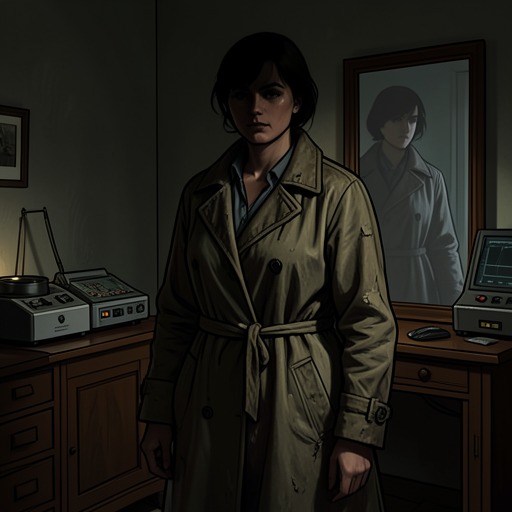
I'm Thinking of Ending ThingsThe narrator is the unnamed first-person voice through which the story’s intimate doubts and mounting danger are experienced. A persistent thought of ending things shapes the narrator’s relationship with Jake before their first visit to his parents, while mysterious calls from the narrator’s own number turn private unease into fear. During the school ordeal, that fear enters the body as well as the mind: the narrator struggles to orient themself, bites their nails, and finds strands of hair coming loose.
Identity and Background
The narrator’s name and wider personal history are not established in the available account. Instead, identity is conveyed through close attention to ordinary experience and through a mind that repeatedly tests its own explanations. The narration records what the narrator feels, remembers, and suspects, but those categories do not always stay distinct. The thought of ending things feels both new and strangely old, leading the narrator to wonder whether it was self-generated, planted, or somehow present all along. The uncertainty is not resolved; it becomes part of how the narrator understands the self.
The narrator is also attentive to physical discomfort, though not always quick to disclose it. During the drive with Jake in worsening winter weather, a headache is described as approaching migraine intensity, even as the narrator minimizes how bad it is and imagines taking Advil after reaching bed. At dinner with Jake’s parents, the narrator asks what tinnitus is after learning that Jake’s mother hears steady buzzing and that her hearing is worsening. The narrator calls the condition terrible and glances toward Jake, who keeps eating without reacting. This brief exchange shows the narrator noticing distress in others while also registering the silence around it.
Life with Jake
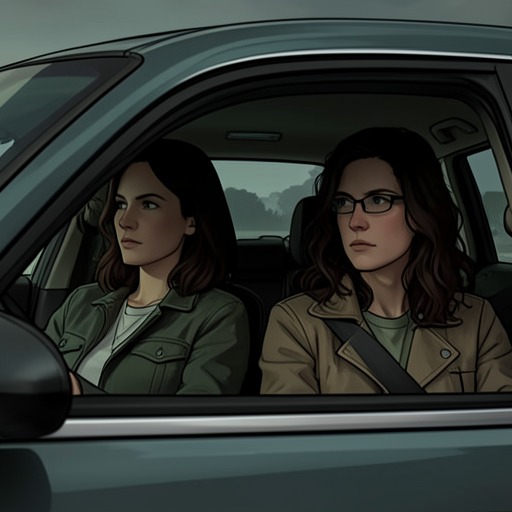
The relationship with Jake is young when the narrator accompanies him on their first long drive to visit his parents. The narrator should be excited about the trip and the prospect of what might follow, but instead feels nostalgic about the relationship, Jake, and their time together. That backward-looking mood arrives before the visit has even begun. Jake mentions that his mother has been tired, while the narrator declines coffee and snacks in order to be hungry for supper; the small preparations for meeting his family sit beside a larger reluctance the narrator cannot set aside.
The narrator’s judgment of the relationship is not built on condemning Jake. Jake is considered good, smart, and handsome in his own way; the narrator explicitly distinguishes him from someone whose cruelty or stupidity would make the decision easy. The problem, as the narrator understands it, is a missing ingredient and a sense that the two are not a match. The narrator imagines explaining the breakup as a personal issue and acknowledges the unfairness of keeping Jake in an uncertain relationship. That conclusion is complicated by moments of genuine ease: when Jake is joking and almost happy in the car, the narrator wonders whether to stop thinking about ending things and simply enjoy being together. The possibility that Jake might be privately considering the same separation helps clarify the narrator’s concern: the inability to tell him what is being thought feels like a bad sign.
The Calls and the Growth of Fear
The Caller’s messages become one of the narrator’s few other significant concerns. They are not plainly aggressive or threatening, and the voice sounds sad, perhaps frustrated; its words seem nonsensical without sounding like babble. Most unsettlingly, the messages repeat word for word. The narrator listens to the first saved message while feeling frightened, not fully lucid, and convinced that one question must be answered. The messages therefore operate less like a clear threat than like an unresolved demand that gives the narrator’s fear a shape.
The calls arrive from the narrator’s own number, often in the middle of the night, sometimes around 3:00 a.m. On one occasion, the phone rings while Jake and the narrator are watching a movie in bed. The narrator passes it to Jake while pretending to chew; he answers, says an old woman has called the wrong number, and returns to the movie without apparent concern. The narrator does not sleep well afterward. On another night, the Caller makes twelve calls and leaves no message. Their source and repetition make the calls difficult to dismiss, even when their content remains obscure.
Since the calls began, the narrator has had frightening dreams and twice awakened in panic, feeling that someone is standing close by in the apartment and watching. For a few seconds the narrator cannot move. After fully waking, the narrator goes to the bathroom and runs water into the unusual quiet; the pounding heart, sweat, and once-soaked pajamas make the fear a bodily event rather than a passing thought. The narrator has not told Jake about these episodes, in part because it feels too late at night to do so, and is left more on edge than before.
The School Ordeal
At the school, the narrator’s attempt to find a way out becomes a struggle to keep moving while fear disrupts perception. The narrator believes someone wants to hurt or hunt them and has already done something to Jake. Reaching the gym and finding an emergency exit becomes the immediate objective, even though returning to the cold road might not be survivable. The narrator weighs that danger against the sense that remaining inside may be no safer.
Darkness becomes more familiar with time, but not the quiet. The narrator notices a worsening metallic taste in the mouth, sweat that feels different, and nail biting that has become chewing and eating the nails. Then hair begins to come away: strands remain between the narrator’s fingers, and more fall out when they run a hand through it. The narrator interprets this as a possible physical reaction to stress, without knowing what is happening. In the painted-brick hallway, the narrator considers hiding above the removable ceiling tiles, then focuses instead on reaching the gym’s double doors. Even the apparent knowledge of where the gym is becomes unstable: the narrator remembers the route, then questions whether that memory can be trusted.
The account later describes a school employee who had worked there for more than thirty years without a previous incident or anything in his file. He is remembered as gentle but unable, or unwilling, to relate to people, and as someone who spent breaks alone in his pickup at the back of the school. This history places the school’s frightening events beside a long, quiet routine, without making the narrator’s immediate terror any less real.
Change and Narrative Role
The narrator’s movement through the story is not a clean progression from uncertainty to confidence. The decision to end the relationship becomes firm even while affection and enjoyment remain possible; fear grows even while its source stays unclear. The narrator can recognize that Jake is a good person and still believe the relationship should end, just as the narrator can recognize that a call is not explicitly threatening and still experience it as terrifying. Those contradictions are central to the character rather than errors the account resolves.
Because the story is filtered through the narrator’s first-person observations, the reader encounters events alongside a consciousness that repeatedly revises its own certainty. Sensory particulars—the phone displaying the narrator’s number, the water sounding loud in a silent apartment, the metallic taste and loose strands of hair at school—give that uncertainty concrete form. The narrator’s role is thus both relational and interpretive: the character is trying to decide what to do about Jake while also trying to determine what is happening, what can be remembered, and whether fear is reporting reality or reshaping it.